A Silent Rebellion is a collaborative project between Earth & Altar and the Society of Saint John the Evangelist, featuring writing from Anglican religious communities. The title of this project comes from Church of England priest and theologian A. M. Allchin’s book The Silent Rebellion, which detailed the emergence of religious communities in the Anglican Communion in the 1800s. Allchin wrote of these communities that “these religious made plain the silent rebellion that is at the heart of the vocation of every Christian in baptism.” We believe that the Church and the world have need of this witness, this devotion to awe and humility before God, to which all Christians are called.
So when we talk of Jesus “making intercession” for us to the Father, as the Letter to the Hebrews puts it, we should not imagine Jesus talking to God about us. Rather, it is Jesus being intimately close to his Father and carrying us whom he loves on his heart and into the heart of God.
Life is as near to us as the closest patch of clover and its diamond dew under our bare feet.
Though small in themselves, they orient us toward the focal concerns of our lives: the things that matter most and give meaning and value to all else.
I had thought that poverty would mean learning to live without my daily latte. Instead, I have discovered that it means learning to live without the illusion that I can complete everything I set out to complete. But the invitation here is not simply to make peace with the unfinished to-do list, important though that is.
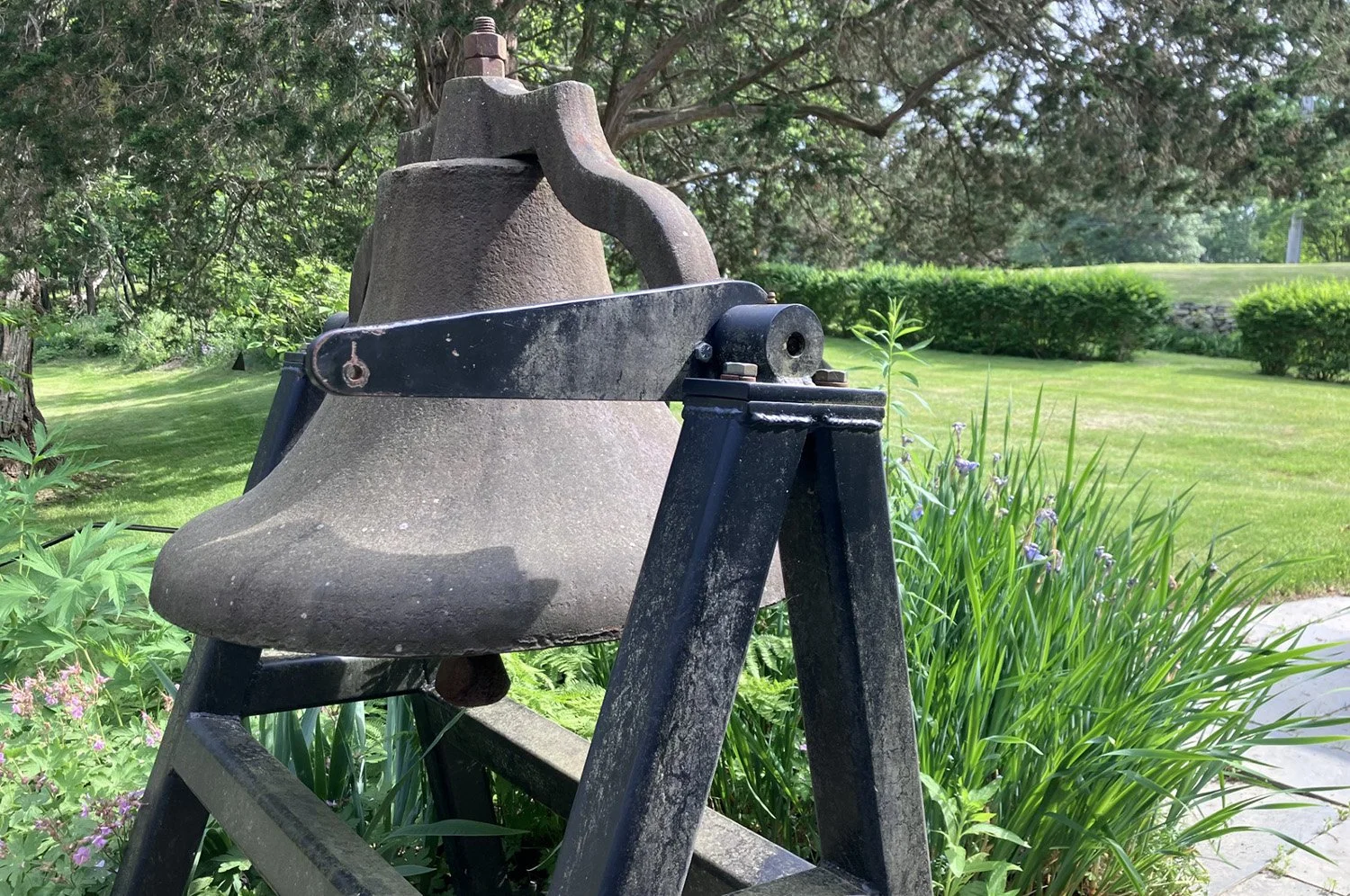
To enter a monastery is to enter a world governed by bells. Bells call us to prayer, welcome guests to meals, initiate worship, and send us forth from times of fellowship. … Living life at human scale is an invitation that monasteries aim to offer, and that is so sadly lacking in much of our world. Even here, within the monastery enclosure, this is an invitation that takes work to accept.
"I like to tell myself that celibacy is a one-day-at-a-time affair with God. Different days bring on different joys and challenges."
Our vow of celibacy isn't about denying anything, least of all who we are. Rather it's meant to help us discover whose we are, and to whom we belong, not just in our hearts, but with our bodies as well.
The vow of obedience is the community and its members listening to God, each other, and themselves to make decisions. It is relational, communal, and collaborative. Obedience comes from the word listen.
Our commitment to God's call and our desire to respond to that gift are themselves signs of God's commitment to us as beloved children.
"When we live in union with Christ, his life flows through us, bringing love, joy, peace, patience, and humility."
"For many decades my personal mantra has been, 'Curtis, this is your life, these are the terms, what is the invitation?'"
"It is this image of going deeper, into unknown places, that resonates with me as I ponder the mystery of aging, and the gifts to be found, not at the bottom of a flight of disused stairs, but buried in a lifetime of experiences."
I will always remember Peter. He was a member of my parish when I was a parish priest. He was about thirty years old, and a really nice person. But he was restless. He never stayed in one job for very long and had a succession of short-term girlfriends. I would often joke with him about this, but I'd also challenge him sometimes and ask why he wouldn't commit himself to something or someone in life. And he would always use a phrase which I can still hear. He would say, 'Oh, I'm keeping my options open.'
We all face and experience limitations in different ways. They can be temporary walls to be overcome or ultimate boundaries, narrowing and constraining the possible. They can be imposed upon us unwillingly or chosen by us as part of our discipline or vocation. In each case, though, our limitations challenge us to discover and to explore the world that they define. Although they may cloud our vision of the boundless horizon, our limitations open new opportunities for setting our sights before us.
Life in a community can be challenging, but it is also incredibly rewarding. Living at SSJE with my brothers has been one of the most profound experiences of my life. In particular, life in community has taught me the value of conflict and how it is an unavoidable yet potentially meaningful and transformative aspect of life.
Kindness is the melding of compassion, generosity, and dignity. The English word “kind” comes from the same etymological root as “kin.” We are to live kindly with one another because we belong to one another. We are humankind.
If you have made a vow that binds you for life, you know the threshold it opens: a new world of joy, because you gave yourself away. Discernment in the Church doesn’t begin with self-fulfillment, but with oblation—offering your life back to God for God’s glory. And in the vowed life, as often as she dies, she rises.
In my monastery there is a red leather book where brothers of SSJE handwrite their vows on the altar. Every page is the same—and no two pages are the same. In that paradox, I learned what a vow truly is: an impossible promise made in trust that God will supply the grace to keep it.