ATTEND AND COOPERATE: MONASTIC OBEDIENCE
Two brothers and I were once entrusted to hire a senior staff member while the Superior, our elected leader, was away for a few weeks. Normally he would have taken part. After second-round interviews with three candidates, we brothers discussed. We agreed “no” to the first candidate. The two both preferred the second candidate. I preferred the third.
We shared back and forth as to why. Though the minority, I kept sharing strong feelings and rationale. One brother then said, “Luke, you don’t often share strong opinions. That you are on this is significant. Let’s go with the third candidate.” The second brother agreed.
I, too, was surprised at my passionate response. I was grateful to be heard and acknowledged, let alone for them to choose with me. I often struggle to know what I want and to share it. I find it easy to forget myself and intently focus on everyone else’s ideas.
Our group had to choose a candidate. My brothers and I listened to the candidates one by one in interviews, listened internally to our responses during and took space after the interviews. Then we listened to each other as we shared responses and reasons.
The vow of obedience is the community and its members listening to God, each other, and themselves to make decisions. It is relational, communal, and collaborative. Obedience comes from the word listen. The Rule of St. Benedict opens with: “Listen.”
The greatest prayer in Judaism begins: “Hear [or Listen], O Israel, the Lord our God, the Lord is One” (Deuteronomy 6:4). This central prayer is repeated throughout life and the first one taught to children. When asked the greatest commandment, Jesus said: “Hear, O Israel” (Mark 12:29). The prophets called: “Listen to me, my people” (Isaiah 51:4). The psalmist cried: “Hear, O my people . . . oh, that you would listen to me” (Psalm 81:8). Jesus said: “My sheep hear my voice” (John 10:27).
Obey generally means to carry out or follow a command or order. Do what you are told. Sometimes what we must do is clearly given by law or person. Much of life, though, is not so clear. There are many options. The word obey does not appear in the chapters on obedience in our community’s Rule of Life. Instead, we say: work together, discern, act in concert, let go, respond, be attentive, receptive, open, held accountable, accept, cherish, take to heart, and cooperate. Attend and cooperate encompass these. Listening is attending to oneself and to others. Cooperating is a respectful, dynamic relating with others and with self.
The monastic vows of poverty, celibacy, and obedience each have layers of meaning. Here is one way to summarize. Poverty is what we do with and how we understand our stuff. Celibacy is about relationships, sexuality, and sex. Obedience is how we make decisions. Obedience includes poverty and celibacy because it informs making choices about possessions and relationships.
We Brothers delegate smaller decisions to individuals as each is given an area of responsibility. Larger decisions we handle in small groups or occasionally as a whole community and by or with the Superior. I notice in me, and I hear in others a desire or imagination that there is one right answer for where I should live or what I should do or who I should be with. We want God to tell us the answer. There is often no one answer. I rarely experience God as so directive.
What is the invitation? Why might God be inviting? That is what we brothers ask a lot of ourselves and others. Notice the contrast to: What is God’s will? What should I do? Invitation seems to offer more possibilities. We also often ask: What do you desire? Attend to yourself, what you know within. Attend to the situation and to others around. Ask for help from others to attend, to listen, internally and externally.
Listening to others and to oneself is a kind of letting go and holding on. When I entered the monastery, I was surprised how much we talked about death and dying. We frequently remember martyrs, those killed for their faith. We do not expect to be killed. We expect and find daily, sometimes minute by minute, invitations to surrender, to let go of trying to control our lives. We are invited to surrender our own preference and expectations. We are not to “reform our brothers on our own terms,” trying to change people to be like us.
It is common for any one of us not particularly to like a role we are given to do or the way another does his work or expresses himself. Our Rule says, “obedience gives us constant practice in letting go of attachment to our individual preferences and learning to trust in the wisdom of the community.” Life in community, whether monastery, roommates, marriage, household, or other, requires patience and letting go of how I want or would do it. When we are together multiple times a day, we may be irritated by others’ ways of sitting, speaking, and such.
Letting go does not mean ignoring and denying ourselves. The vow of obedience also includes self-attunement and honoring our interior wisdom. It “requires us to be constantly attentive to the voice of the Spirit within our hearts, endowing us with our own unique authority and gifts.” A “growing respect for our true selves” is necessary to participate in communal discernment.
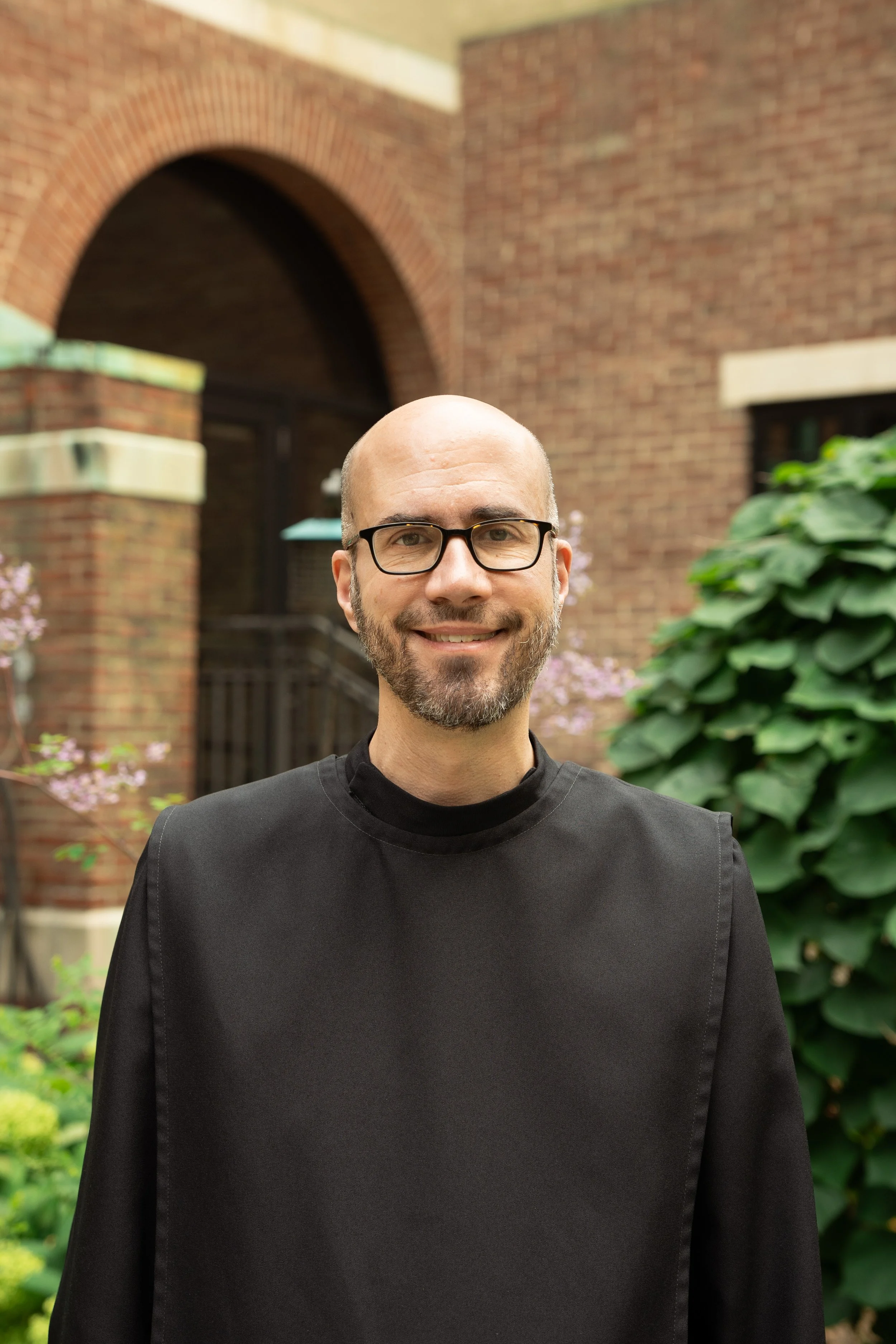
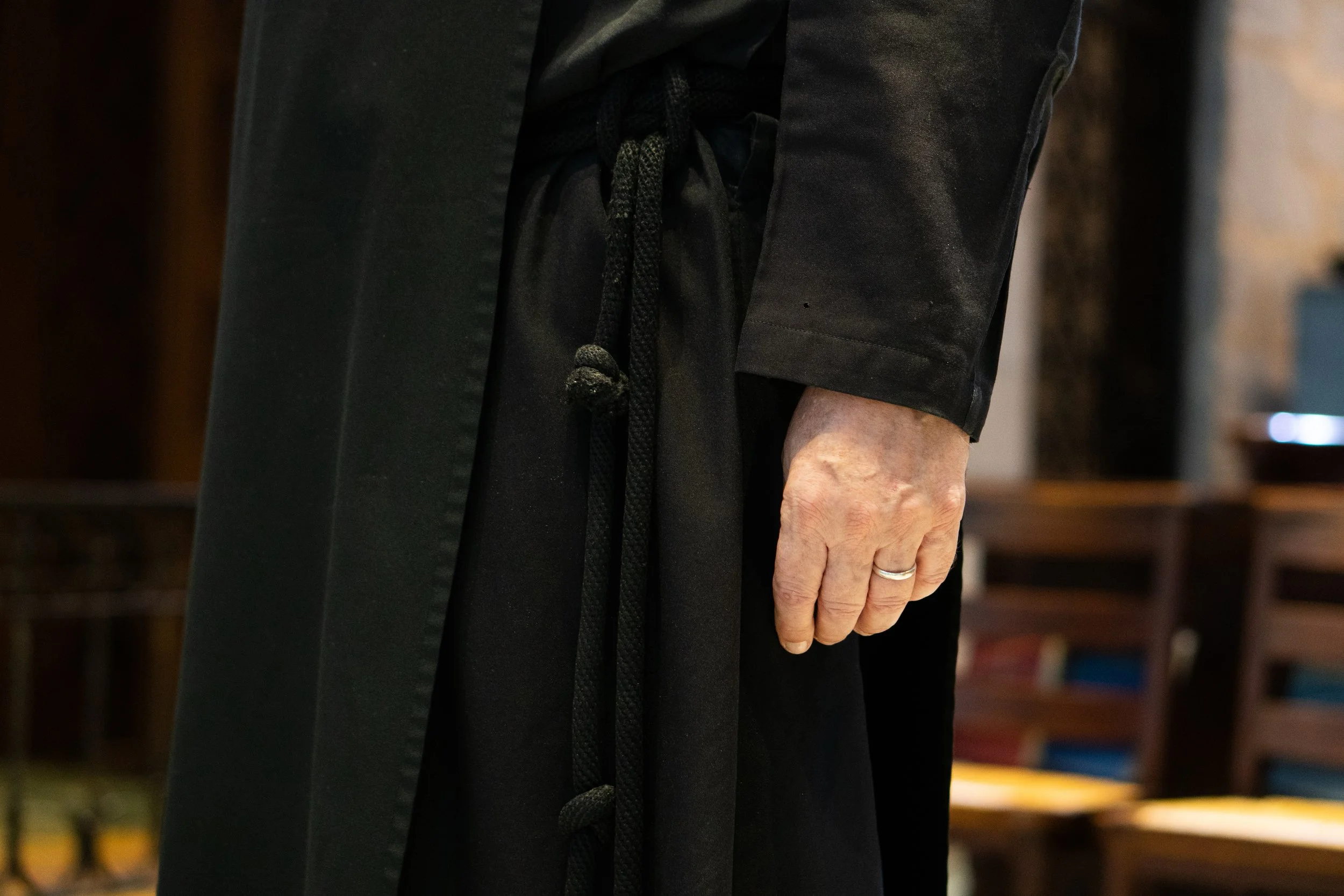
When entering the monastery, a new man wears ordinary clothing for about the first six months before receiving the black habit, which we almost always wear in church, meals, and meetings. When I entered, I was the only new guy. I brought black pants, shirts, sandals, and a black sweater. When I received the habit, I was delighted to further blend in.
I did not realize I was acting beyond clothing. Brothers said, “Please let us see you. Do not just blend in. To truly fit and stay here, show up and be yourself.” That was hard to hear and to do. I have grown a lot in self-knowledge and expression, and it remains a challenge. For others, there’s the challenge to wait and make room.
Obedience invites healing and conversion in various ways as we are seen and reach out. We seek to pray our lives, attending to and offering up all our experience. God speaks to and through each of us. Listen to God yourself, through your life. What you know and hear through your heart matters. Acknowledging my own wounds and weakness while working to grow helps be sensitive to others and share with conviction.
Obedience is a paradox in both letting go of our attachments and holding on to our interior wisdom. Jesus empowers us for we cannot live this on our own. As our Rule states, “Obedience is only possible because Christ dwells in us and we dwell in him through our Baptism.”
We are about a dozen men with varied personalities, families, backgrounds, and preferences who are not naturally like-minded. Monasticism is one particular—sometimes peculiar—tradition of the Christian life with wisdom helpful for others. What’s the invitation? Attend and cooperate.